What Happens When the ‘Coronavirus Clapping’ Stops?
We need to figure out the future of our new nightly ritual before it is forgotten entirely.
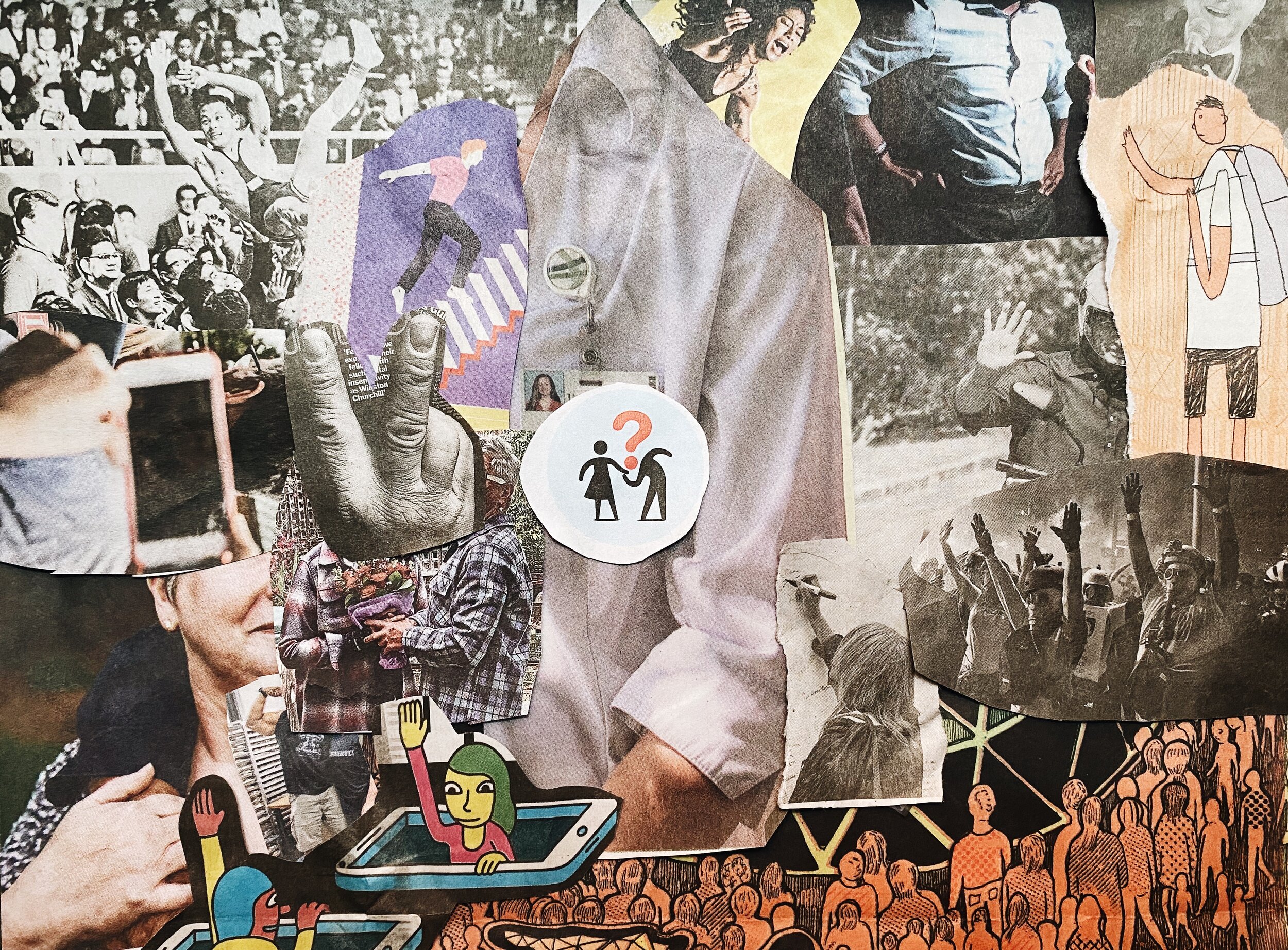
As the city slowly began to reopen, residents started to stop thanking frontline workers with the nightly ritual of clapping. Canal Street News Summer Journalism Club member Maddy Andersen wonders: what do we do with our hands now? Collage by Alexandria Misch
The clapping doesn’t start right at 7 p.m. anymore. It’s as if everyone is waiting to see if this four-month-old tradition—nightly cheers for our city’s essential workers—will continue for one more night. And once it finally begins, the clapping sounds muted—like an echo of a dwindling symphony. Similar sentiments can be seen (and heard) around the city, as neighborhoods—especially those that are less residential—have stopped clapping altogether.
The applause started in Wuhan, China in January, spreading to Europe, where opera singers in Italy added their own variety to the cheering. The tradition crossed the Atlantic Ocean in late March, when New Yorkers began to clap from their stoops or while hanging out their windows. Some banged pots and pans while others blasted Frank Sinatra’s “New York, New York” or Jay-Z and Alicia Keys’ “Empire State of Mind.” One night, even my virtual Zoom call paused at 7 p.m. so we could all go outside to join in.
Through our clapping, we honored the efforts of first responders, medical staff, grocery workers, delivery drivers and others on the front lines. We showed our support and gratitude, and succinctly summarized it through the movement’s hashtag, #ClapBecauseWeCare. Soon, clapping gave us a way to check in on our neighbors every night during a time when we no longer bumped into them on the sidewalk. “Very quickly, it morphed into seeing everybody,” my neighbor Scott Cunningham told me. “I always compare it to when they feed the seals at the zoo. It’s not just to feed them; it’s that they have a routine where you lift their flipper and see if they have abrasions or if their mobility is good or if they’re with it.”
Despite the New York City tropes, my neighborhood is fairly friendly: we know each other by name and get together at our annual block party. Because of this, I welcomed the opportunity to see them each night, to greet them all with a wave. And during the first few weeks of the pandemic—when all of my daily routines had just recently been upended—participating in the clapping every night like clockwork provided some stability.
Yet, as I began to adjust to life in quarantine, I often found myself occupied as 7 p.m. rolled around. Sitting down for dinner or reviewing for finals, I would clap for a few moments from my table or my desk, not making it outside to applaud with my neighbors. Sometimes, I would clap while on a call with my friends, who would watch me curiously. My reply of, “The 7 p.m. clap?” was often met with a shrug and, “My neighborhood stopped doing that weeks ago.”
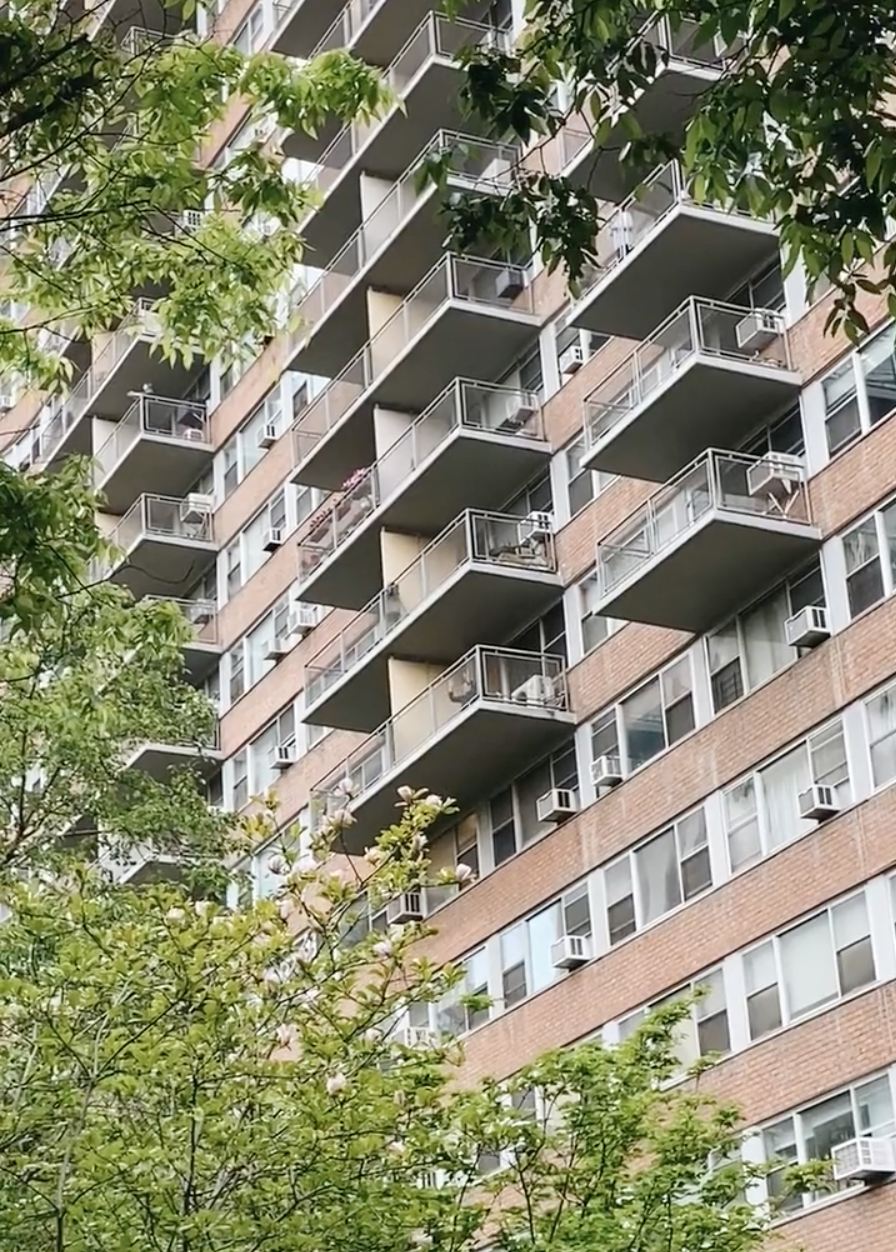
Clapping in many ways was no different than any other fad. By the end of March, our social media feeds and news outlets were flooded with videos of people cheering around both the globe and the city. It was trendy to go out and clap—and it was even trendier to post about it. But as the weeks passed, supporting essential workers was overshadowed, perhaps because essential workers were also no longer the only ones going out: many New Yorkers left their homes for the first time to attend justice for George Floyd protests and rally for Black Lives Matter. Our collective clapping apathy crescendoed in late June especially, as the city began to reopen.
For better or worse, New Yorkers are meeting friends in other boroughs, eating out, gathering in parks for picnics and taking the subway again. There’s a common feeling that we can’t stay inside forever and our lives must move on eventually. Because our day-to-day routines are starting to reroot, we are no longer relying on quarantine traditions to shape our days. We do not need an excuse for a breath of fresh air each night because we are spending an increasing amount of time outside. As we reconnect with our extended communities, the nightly appointment with our neighbors now feels less pressing.
Even from the beginning, clapping was something of a futile gesture: applauding each night was not going to produce more N95 masks or provide more funding for health care workers. Yet, clapping helped us thank the essential workers who were both saving lives and helping our city continue to function.
As we transition away from clapping every night, it’s important to preserve the memory of essential workers during COVID-19. As a student, I never learned about the 1918 Pandemic Influenza — one of the most deadly in recent history — in school. I hadn’t really even heard of the so-called “Spanish Flu,” which killed about 50 million people worldwide, until earlier this year via the news. It’s not only my history curriculum that’s missing coverage — there is very little awareness about it in general. This, in part, is because the pandemic overlapped with World War I — and in an attempt to maintain support for the war, — the government passed the Sedition Act of 1918. Newspapers around the country couldn’t write about the flu because— according to John Barry, author of The Great Influenza, in an interview with National Public Radio—the government “thought that would be bad for the war effort, bad for morale. The only effect of that was to spread fear because people did not know. And they need to know.”
They need to know. Though Barry was referring to those living during the 1918 pandemic, the same holds true today. While there is no shortage of coverage of COVID-19 at the moment, in the relentless tracking of case numbers, the fights about masking-wearing and ongoing government finger-pointing, we can’t lose sight of how our city came together as one community. We have to remember that during the weeks when everything slowed, essential workers—the ones who historically have gone unappreciated and unrecognized—continued to work, healing those in hospitals and keeping our lives running as normally as possible. We must also be vigilant not to let our local relationships drift back to just an occasional nod, keeping in mind that during the toughest stretch of this crisis, we checked in on and supported one another each night.
Within the next few weeks, it is likely that our 7 p.m. applause will fizzle out for good around the city as we continue to flatten the curve. While it might be nice if new traditions emerged (clapping on the 19th to remember COVID-19?), it is more likely—and ultimately more important—that we remember the lessons we’ve learned from our coronavirus clapping as we slowly rebuild our post-quarantine lives.